
What the assessment covers
- Whole-home aging-in-place assessments
- Room-by-room safety inspections
- Fall and trip hazard identification
- Bathroom and shower safety evaluations
- Staircase and handrail inspections
- Doorway and hallway accessibility measurements
- Wheelchair and walker accessibility evaluations
- Lighting and visibility assessments
- Kitchen accessibility evaluations
- Entry and exit safety assessments
- Written home safety reports
- Prioritized home modification plans
- Post-renovation safety inspections
- Annual and quarterly reassessments
How the assessment works
- Book the walk. Tell us who lives in the house and what worries you. The person living there joins if they can.
- We check every room against the same list. Bars, rails, steps, doors, floors, light and the kitchen reach, with nothing skipped for looking fine.
- You get the ranked report. Each danger with its fix and the order to do it in, sent to whoever makes the decisions.
Why the report has nothing to sell
We walk the house to find what could hurt your parent, and the report exists for that alone. We take no referral fees, we don't hand your name to other vendors and we don't sell leads, so nothing on it is there to make someone else money.
Plenty of families brace for a pitch the moment a contractor walks in. This walk doesn't have one. The report ranks by danger and nothing else, so a loose stair rail that costs little to fix can sit above a shower conversion that would pay us far more, and it stays there.
What the walk covers
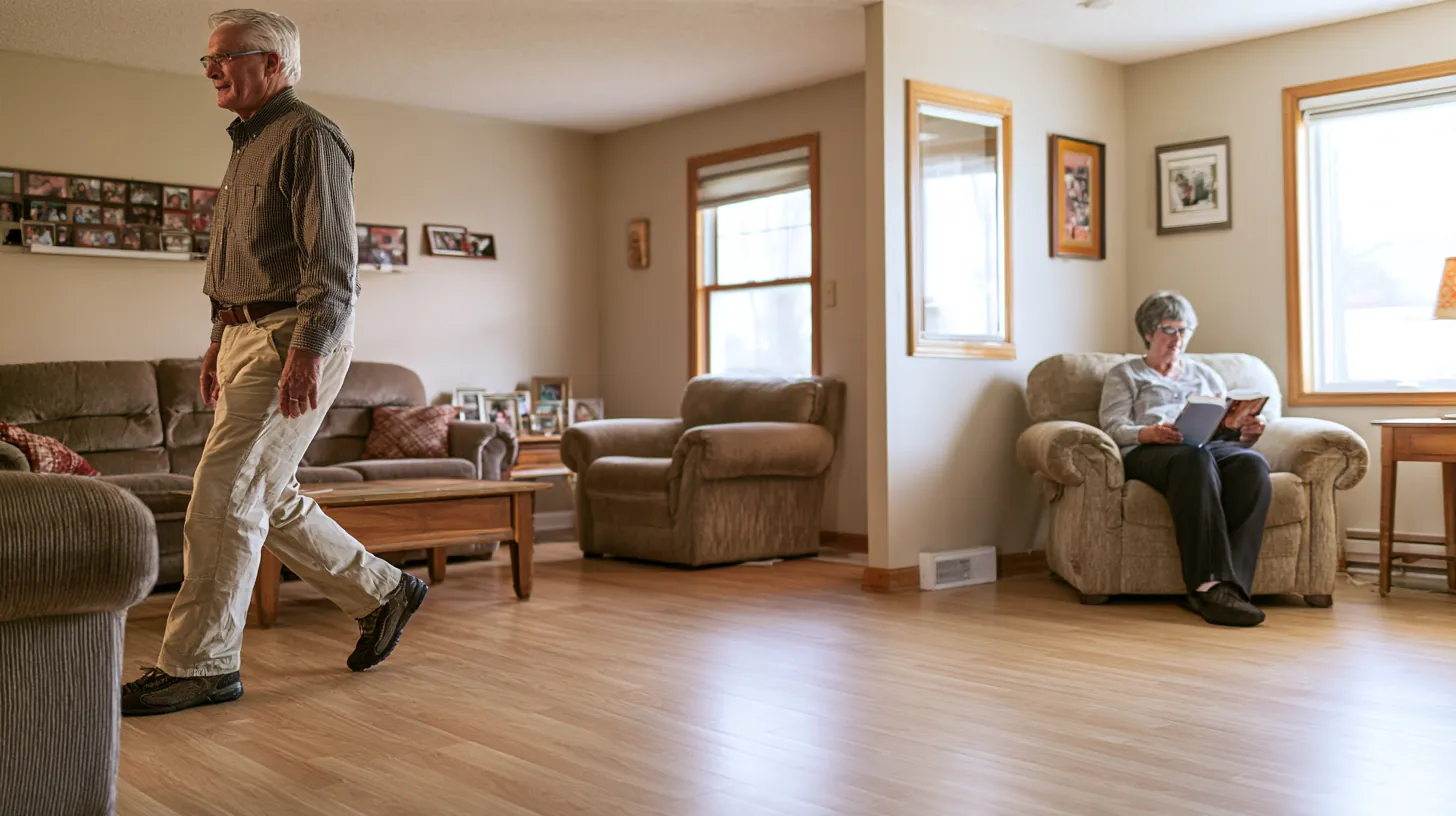
Most families start in the wrong room, because nobody has looked at the whole house. We walk it the way the person living there does on an ordinary day. Out of bed. To the bathroom, by day and at night. Into the shower and onto the toilet. A meal in the kitchen. The stairs, the front door and the walk in from the car.
Every room gets the same list. Grab bars and rails, and whether they're anchored into the framing. Step heights, door widths, thresholds and handles. Floors, rugs and the strips between rooms. Light, switches and the night path. Kitchen reach, smoke and carbon monoxide detectors, and the leaks or wear that turn into hazards later. Because the list never changes, nothing gets skipped for looking fine at a glance.
What the written report gives you
You get every problem we found, room by room, ranked so the ones most likely to cause a fall or an injury sit at the top. Each has its fix in plain words and its place in the order of work. You can approve the urgent fixes now and plan the rest.
The report goes to whoever you name. A son three states away gets the same pages as the daughter down the street, and he can approve the next step from his phone.
Who should be there
The person who lives in the house, if they can manage it, because they know exactly where things get hard. Family can join in person or by phone. We talk to the person living there directly. It's their home, and the plan has to fit how they want to live in it.
What happens after
Nothing, unless you say so. Each project gets a written scope and a fixed price before it starts. Most families begin with the small fixes in the bathroom, at the front door and on the night path, because those go in fast and protect the person right away.
Larger projects follow in the order the report sets. Many families then keep us on through the Livable Plan, so someone checks the house on a schedule.
We look at the house, the therapist looks at the person
We don't diagnose anything or do a therapy evaluation. If an occupational therapist has written a home evaluation, send it over and we work from it.
The report isn't a wish list of everything that could be upgraded either. It ranks what's dangerous for the person who lives there, so the money goes where it protects them most.
Problems the walk looks for
Home Safety Assessments near you
How much does it cost to make a home safe to age in place in Washington, DC?
What is the average cost of aging in place home modifications in Northern Virginia?
Should your parent age in place or move to assisted living in DC or Maryland?
What the report can lead to
- Bathroom Safety and Remodeling for aging in place
- Wheelchair Ramps and Home Access for aging in place
- Stair Lifts and Mobility for aging in place
- First-Floor Living Conversions for aging in place
- Accessible Kitchen Remodeling for aging in place
- Flooring and Fall Prevention for aging in place
- Lighting and Home Safety for aging in place
- Smart Home Safety Systems for aging in place
- Home Maintenance Plans for aging in place
- Hospital Discharge Home Preparation for aging in place
- Veterans and Disability Modifications for aging in place